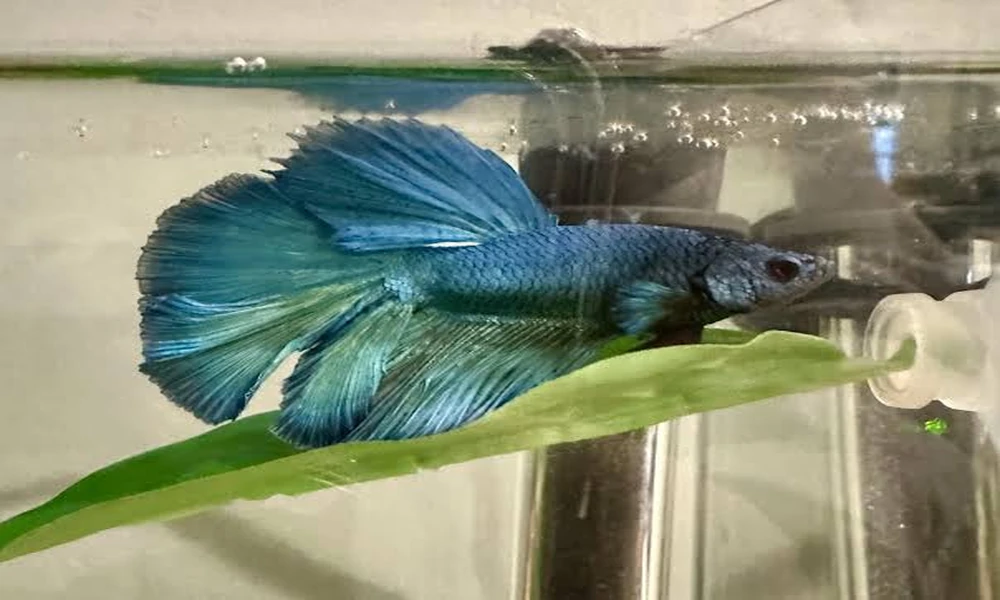
Bringing home a betta fighting fish for the first time is exciting, but a little preparation goes a long way toward giving the fish a genuinely good start. These ten tips cover the essentials.
1. Cycle the Tank First
A tank needs two to four weeks to establish the beneficial bacteria that keep ammonia and nitrite at safe levels. Buying the fish before this process is complete is one of the most common and avoidable mistakes.
2. Get the Temperature Right
A stable heater set between 24 and 27 degrees Celsius makes a considerable difference to activity, colour, and long-term health, particularly in the UK’s cooler indoor climate.
3. Choose a Tank of at Least 20 Litres
Larger, properly filtered and heated tanks produce noticeably better health outcomes than the small bowls sometimes marketed as suitable for this species.
4. Fit a Secure Lid
This species is a capable jumper, and an open tank represents a genuine and entirely avoidable risk, particularly in the days after a fish is first introduced.
5. Feed a Protein-Rich Diet
High-quality pellets formulated for the species, supplemented occasionally with live or frozen bloodworm or brine shrimp, keep colour vivid and support long-term health.
6. Avoid Overfeeding
Offer only what can be eaten within a couple of minutes, once or twice a day. Overfeeding is a far more common problem than underfeeding and contributes to swim bladder issues.
7. Plan for Solo Housing
Two males housed together will almost always result in sustained aggression, regardless of tank size, so single housing remains the standard and sensible approach.
8. Keep Up Weekly Water Changes
Around 25 percent weekly prevents the majority of health issues before they start, and is one of the simplest habits that makes the biggest long-term difference.
9. Choose Your Source Carefully
Specialist sellers offering betta fighting fish for sale typically maintain dedicated quarantine systems tailored to the species, generally producing hardier, better-conditioned stock than a generic pet aisle.
10. Watch for Early Warning Signs
Clamped fins, lethargy, or loss of appetite are all worth taking seriously early rather than waiting to see if they resolve on their own.
A Note on Local Versus Online Buying
Both routes can work well, but each carries different trade-offs. Buying in person lets you inspect a betta fighting fish directly before committing, checking fin condition, colour, and behaviour with your own eyes rather than relying on a photograph. Ordering online widens your choice considerably, particularly for rarer colours or fin types, but adds the stress of transport, which is worth weighing against the convenience. Whichever route you choose, the same underlying health indicators apply, and a seller willing to answer detailed questions is a good sign regardless of whether you’re standing in front of the tank or messaging from home.
Long-Term Ownership Considerations
Beyond the first few weeks of settling in, ongoing success comes down to consistency rather than complexity. A simple weekly routine of checking the heater, testing water where possible, and carrying out a partial water change prevents the overwhelming majority of problems before they start. Many keepers find that the biggest risk to long-term health isn’t a single dramatic mistake but a gradual drift away from routine maintenance once the novelty of a new fish wears off, so building the habit early tends to pay off for the full two to three years of a typical lifespan.
What Experienced Keepers Wish They’d Known Earlier
Most experienced keepers of a betta fighting fish point to the same handful of early lessons: don’t rush the cycling process, don’t judge a fish purely on colour, and don’t assume a bigger price tag means a healthier animal. These aren’t complicated insights, but they tend to be learned the hard way rather than read in advance, which is exactly why they’re worth repeating to anyone just starting out.
Building Confidence Over Time
The first few months of keeping any tropical species involve a learning curve, and it’s normal to feel uncertain about whether you’re getting the basics right. Keeping a simple log of water changes, feeding, and any observations can help build confidence and make it easier to spot patterns if something does start to go wrong, turning a vague worry into a specific, addressable issue.
Recognising When Something’s Wrong
Loss of appetite lasting more than a few days, clamped fins that don’t relax, laboured or rapid gill movement, and visible spots or discolouration are all worth investigating promptly in a betta fighting fish. In most cases the underlying cause traces back to water quality or temperature instability, so a water test is usually the sensible first step before assuming anything more serious.
Setting Realistic Expectations
New keepers sometimes expect a fish to display full colour and confident behaviour from day one, when in reality most individuals take one to two weeks to settle fully into a new environment. Muted colour or a slightly cautious demeanour in the first few days is normal and generally resolves on its own as the fish adjusts, rather than being a sign that something has gone wrong.
Handling and Acclimatisation
Minimising time in transport matters considerably for a betta fighting fish, since a small volume of water changes temperature and oxygen levels quickly. Float the sealed bag in your tank for around fifteen minutes, then gradually introduce small amounts of tank water over a further fifteen minutes before releasing the fish, rather than tipping it straight in. This slower approach reduces the shock of sudden changes in temperature and water chemistry and gives the fish a noticeably calmer start.
Getting to Know Individual Personality
Individual fish vary considerably in temperament, even within the same colour variety, and it’s worth spending the first week or two simply observing rather than judging health against an idealised standard. Some settle and approach the glass within days, while others remain more cautious for a couple of weeks; both patterns are entirely normal and don’t necessarily indicate a problem with the fish or its environment.
Thinking About Long-Term Value
The fish itself is usually the smallest ongoing cost across a typical two to three year lifespan once a properly sized tank and reliable heater are in place. Viewed this way, spending a little more upfront on quality equipment and a well-sourced fish tends to work out as better value than repeatedly cutting corners and dealing with the consequences.
A Final Word on Patience
Nothing about keeping a betta fighting fish successfully is complicated, but rushing any one stage, whether that’s cycling the tank, choosing a fish, or introducing tankmates, tends to be where problems creep in. Slowing down at each step, from initial research through to the first few weeks of ownership, consistently produces better outcomes than treating any part of the process as a formality to get through quickly.
One last practical point worth adding: keep a simple written or digital log of water changes, feeding, and any observations about your betta fighting fish, particularly in the first few months. It sounds like an unnecessary extra step, but a quick log makes it far easier to spot a gradual pattern, whether that’s a slow decline worth investigating or simply confirmation that the current routine is working well.
None of these ten points are complicated individually, but together they cover the areas that make the biggest practical difference between a fish that thrives for years and one that struggles from the outset.