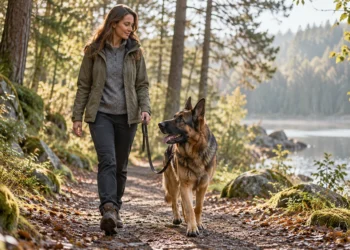
Choosing a dog means choosing a daily routine, a learning partner, and a companion for years to come. For owners who enjoy training and an active lifestyle, a working line German Shepherd can offer an appealing combination of intelligence, athleticism, and close engagement with people. The important question is whether those qualities suit the household that will raise the dog.
Working ancestry deserves thoughtful consideration. Look beyond coat colour and pedigree names to the individual dog’s temperament, the breeder’s practices, and the time available for care. Here are five reasons this type of shepherd may be worth considering.
1. Intelligence Makes Training a Shared Experience
The American Kennel Club’s German Shepherd breed overview describes an intelligent, confident, and versatile working dog. For an owner who enjoys teaching, those qualities can make everyday training rewarding.
Simple skills have practical value. Coming when called, waiting at a doorway, and resting on a mat help a large dog participate comfortably in household life. Learning these behaviours also gives owner and dog regular opportunities to work together.
Intelligence still needs patient instruction. Choose a few useful skills, practise consistently, and make expectations clear across the household. A clever dog benefits from a plan just as much as a novice owner does.
2. An Active Companion Can Fit an Outdoor Lifestyle
Athleticism is part of the breed’s appeal. For households that enjoy outdoor time, an adult shepherd may become a welcome companion for walks, exploration, and appropriate training activities.
Think about an ordinary weekday before imagining weekend adventures. Who will provide exercise? What happens when work runs late? Is there time for interaction as well as a walk? These questions help turn enthusiasm into a realistic ownership plan.
Activity should suit the individual dog’s age and condition. Ask a veterinarian for guidance as a youngster grows. The aim is a sustainable routine that combines movement, learning, and rest, with enough flexibility to adapt as the dog’s needs change.
3. Family Compatibility Can Be Part of the Breeding Goal
An active dog can also be a valued household companion when its temperament suits the home. Czech Working Line states that it prioritizes family-oriented dogs and values an “off switch,” meaning the ability to settle alongside family members. This is a stated breeding goal, rather than a promise about every individual puppy.
Ask how a particular youngster behaves during play, handling, and quieter moments. Explain whether the household includes children, other pets, frequent visitors, or limited experience with large dogs. A useful conversation starts with the household’s real circumstances.
Treat family compatibility as something to assess and support over time. Plan supervised interactions, clear boundaries, and a quiet resting area. Choose the dog whose needs fit the home, and give that relationship room to develop.
4. Working Pedigrees Give Buyers More to Discuss
The breeder’s website describes imported lines and IGP-titled pedigrees. For prospective owners, that background offers a starting point for questions about the parents and the intended goals of each pairing.
Ask what the breeder sees in the individual puppy: interest in toys, engagement with people, responses to unfamiliar situations, and ability to recover after excitement. Explain whether the goal is companionship, recreational training, or a more demanding activity.
The website also states that it conducts health testing and uses studs with verified hip and elbow results. Request the relevant records for the actual parents. Health documentation and temperament discussions serve different purposes; both deserve attention before committing to a dog.
5. Early Training Support Can Help Owners Get Started
Bringing home a German Shepherd puppy involves practical lessons from the first day. The breeder offers an introductory boot camp covering areas such as potty training, crate training, and basic obedience, and explains that owners must continue reinforcing those skills at home.
Ask what has been introduced and how to maintain the routine. Consistent cues and clear instructions make the handover more useful than a vague assurance that a youngster is trained.
When choosing ongoing help, the American Veterinary Society of Animal Behavior’s humane dog training guidance recommends reward-based methods. Look for a trainer who explains those methods clearly and helps the household practise them consistently.
Choose the Right Match for Your Home
These five reasons matter most when the owner has time, interest, and a practical care plan. Take time to discuss expectations openly, including the support available after collection and the arrangements needed for the first weeks together. Visit czechworkingline.com to explore the breeder’s information and discuss temperament, parent health records, and training options before choosing your next companion.