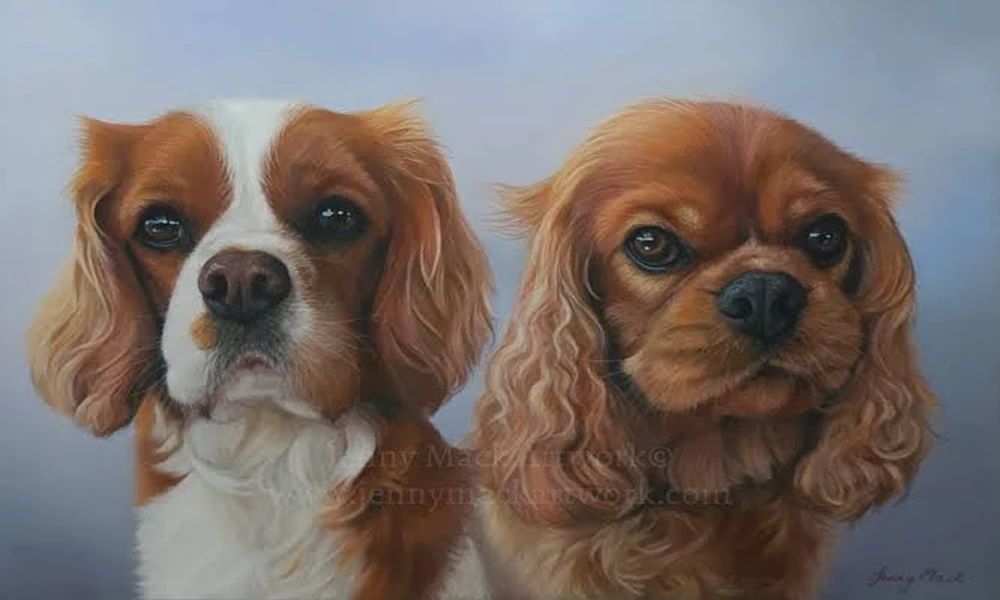
The face may be the first thing you look for in a pet portrait, but it may not be the only thing you would miss. A patch on the chest, a long tail, or a familiar sitting posture can matter just as much to the picture you want.
Choosing the crop means deciding how much of the pet and surrounding scene belongs inside the image. Start with that decision before concentrating on the finished artwork’s dimensions. A simple comparison using your existing photograph can help you explain what matters, spot a compromise, and ask whether your preferred composition suits the design you are considering.
Decide what the portrait needs to preserve
Write down three things you want to recognize in the finished picture. Be specific. “Personality” is a useful starting feeling, but “the slightly tilted head in this photograph” is easier to discuss.
Your list might include one facial feature, one marking, and one aspect of posture. It might instead focus entirely on the face. Neither list is more correct; they describe different priorities.
Now locate those details in the reference photograph. A close composition could retain the expression while excluding the white front paws. A wider one could show the paws but make the face occupy less of the image. Rather than treating one as automatically better, decide which loss you would regret.
For a pet with a distinctive outline, look beyond the center of the photograph. Long ears, a crest, or the curve of a tail may need more room than your first idea allowed. A crop that seems generous around the eyes may still leave out an important feature elsewhere.
Finish the exercise with one priority sentence: “I would rather include the chest marking than have the face fill the entire picture.” This gives you a useful preference when two attractive options compete.
Make three planning versions of the same photograph
Keep the original image unchanged. On separate copies, try a close view of the head, a view including more of the upper body, and a broader view of the visible pet. These are planning sketches, not final files for production.
You can use a basic crop tool or move pieces of paper around a printed copy. The point is to compare boundaries, not to retouch the photograph. Do not fill in areas that were outside the original image.
For each version, answer the same three questions:
- Which detail attracts my attention first?
- Which important feature remains clearly visible?
- What have I lost by choosing this boundary?
Label the versions with those answers rather than simply “good,” “better,” and “best.” One could be “expression first”; another, “expression and chest patch”; the third, “whole sitting posture.” You now have distinct options instead of three vaguely similar pictures.
Compare them at roughly the same displayed size. Otherwise, a large preview may seem more compelling simply because you can see it more easily. Also step back from the screen and notice which feature you read first.
For example, suppose the close version shows a familiar sideways glance, while the broader version includes a curled tail. Cover the tail in the broader version briefly. If its absence changes what you love about the picture, that is useful evidence for keeping it. If your attention returns to the glance regardless, the closer option may better express your preference. This is a personal comparison, not a test with a correct answer.
When you contact a maker, explain that the cropped versions illustrate your preference. Supply the unchanged source through the appropriate upload method. A screenshot of a planning crop should not quietly become the only reference available for the commission.
Check the edges, not just the center
Once you have a favorite, follow the whole boundary of the image. Look at the space above the ears, beside the cheeks, and below the last visible part of the body. Ask whether each edge looks deliberate to you.
A small adjustment can change your reaction. You might prefer more room in the direction the pet is looking, or a little breathing space above a tall crest. Treat these as choices to test, not universal rules that every portrait must follow.
Check orientation separately. A tall planning version and a wide one may preserve different details even when both include the face. If you already have a specific place in mind, note the orientation you prefer without assuming the selected product offers it.
Pay attention to details that are already missing from the reference. If the original photograph cuts off the end of an ear, expanding the crop cannot show what was never in the frame. Mark that as a question requiring another reference or a different composition.
Leave enough flexibility for the chosen design. Your planning image expresses an intention; the maker still needs to confirm what can work within the actual layout.
Separate the composition from the physical format
There are two decisions here: what appears in the artwork and how that artwork becomes an object. Keeping them separate helps you avoid solving the wrong problem.
A larger physical size does not automatically include more of the pet. If you want the front paws in the picture, say so directly. Likewise, adding an external frame does not explain how closely the subject should be cropped inside the artwork.
When comparing Art Print and Canvas formats, notice the construction difference. Pawfolio’s Art Print is a flat print; its Canvas is stretched over a solid-wood inner frame. Check the selected product’s framing choices and presentation, then confirm how your proposed composition would sit within that format.
With a gallery-wrapped Canvas, ask which parts of the image will be on the front face and how the edges are treated. If a particular marking matters, you want to understand its placement before approving the artwork. Do not assume a planning crop specifies the finished edge treatment.
You can also compare the offered designs for pet portraits from Pawfolio Art. Use your priority sentence to narrow the choice, and ask whether the selected design can accommodate it. A preference for a broader view is not confirmation that every design supports one.
Turn the preference into a short, usable request
An effective request names the reference, the preferred composition, and the feature that should remain visible. It also identifies anything still uncertain.
Here is an illustrative version:
“The original file is the seated photograph. I prefer the planning version that includes the face and white chest patch. The chest patch is important to me; the floor around the pet is not. Can this composition work with the design and format I selected?”
If you are undecided, send two clearly labeled options and explain the tradeoff. For example: “Version A gives the expression more emphasis. Version B includes the curled tail. I prefer B if the face will still be clear in this layout.”
Keep the instructions consistent. Asking for an extremely close face and the complete body in the same composition leaves the maker to guess which matters more. Choose a priority, or explain that you need help choosing between those outcomes.
Finally, keep reference instructions separate from product selections. Record the intended design, size, and format alongside the crop note so neither becomes a substitute for the other.
Choose the boundary with a reason
Planning a custom pet portrait does not require a perfect crop made at home. It requires a clear explanation of what you want the picture to preserve.
Use the three versions to identify the most meaningful difference, keep the original photograph, and confirm the preferred layout before committing. For pet portraits from photos, the strongest brief may be a simple one: this is the expression I love, this detail must stay visible, and this is the composition I would like to explore.