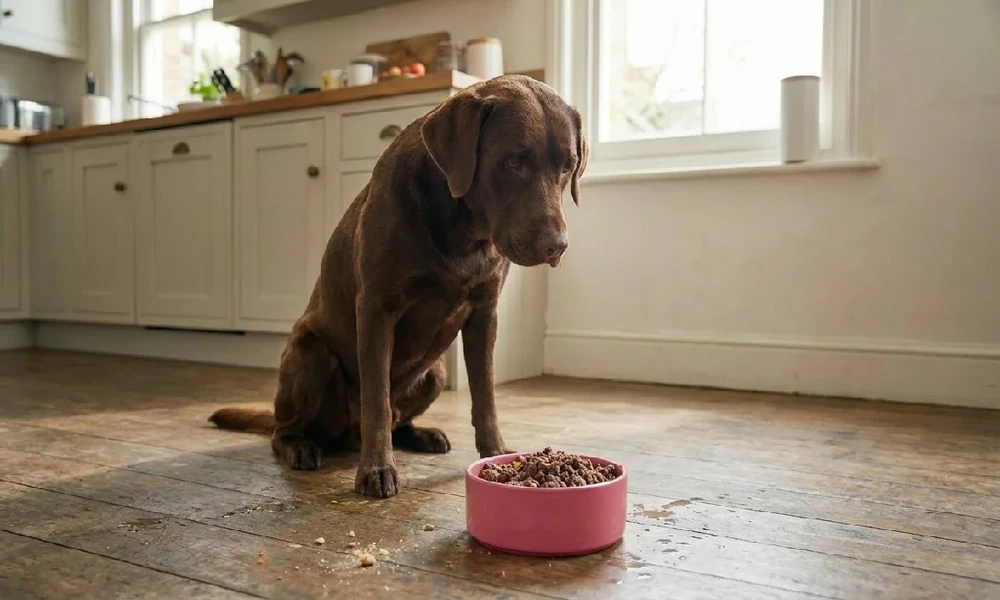
The best grain-free dog food swaps wheat, corn, and rice for ingredients like peas, lentils, or potatoes, while traditional dog food keeps whole grains as a core carbohydrate and fiber source. Neither option is automatically healthier; the right choice depends on your dog’s allergies, breed size, and vet guidance, not marketing claims on the bag.
What Is Grain-Free Dog Food?
It’s any dog food formulated without wheat, corn, oats, barley, or rice. Instead of grains, these recipes lean on legumes (peas, lentils, chickpeas), potatoes, or sweet potatoes for carbohydrates and binding. It does not mean low-carb or low-calorie, as many grain-free formulas still pack a similar carb load, just from a different plant source.
Understanding “what is grain-free dog food” is the first step before deciding whether the best grain-free dog food is even the right fit for your dog.
A few quick facts worth knowing before you start shopping for your pet:
- Grain-free does not mean carbohydrate-free; it just swaps the carb source.
- It does not automatically mean higher protein, lower calories, or fewer allergens.
- Price per pound typically runs higher than grain-inclusive formulas due to ingredient sourcing.
- Not every grain-free formula is AAFCO “complete and balanced”; always check the label.
What Ingredients Most Often Cause Dog Food Allergies?
Most dogs blamed for a “grain allergy” are actually reacting to a protein. This matters because switching to grain-free food won’t help a dog whose real trigger is beef or chicken protein, not the grain itself. A vet-supervised elimination diet is the only reliable way to confirm which ingredient is actually causing the itching, ear infections, or digestive upset.
Watch for these common signs of a food allergy or intolerance:
- Chronic itching, especially around the paws, ears, and belly.
- Recurring ear infections or head shaking.
- Hot spots, rashes, or hair loss.
- Chronic soft stool, gas, or vomiting unrelated to a recent food switch.
- Excessive licking or chewing at the skin.
If your dog shows two or more of these signs consistently, a vet visit and not a quick switch to grain-free is the right first step.
What Is the Difference Between Grain-Free and Traditional Dog Food?
Traditional dog food uses grains such as brown rice, oats, or barley as primary sources of carbohydrates and fiber. These are generally easy to digest and rarely trigger allergies.
Grain-free dog food replaces them with legumes or potatoes. The protein source, fat content, and supplement profile can be identical between the two; the real difference lies in the carbohydrate ingredient, not necessarily in overall nutritional quality.
| Factor | Traditional (Grain-Inclusive) | Grain-Free |
| Main carb source | Rice, oats, barley, corn, wheat. | Peas, lentils, chickpeas, potatoes. |
| Common use case | General feeding, sensitive stomachs. | True grain allergy or intolerance. |
| Fiber source | Whole grains. | Legume fibers, vegetable fibers. |
| AAFCO “complete and balanced” available | Yes | Yes |
How Do You Transition Your Dog to a New Food Safely?
Sudden food switches are the most common cause of digestive upset, regardless of whether you’re moving toward or away from grain-free. A gradual changeover gives your dog’s gut bacteria time to adjust:
- Days 1-2: 75% old food, 25% new food.
- Days 3-4: 50% old food, 50% new food.
- Days 5-6: 25% old food, 75% new food.
- Day 7 onward: 100% new food, watching stool and energy levels.
If loose stool, vomiting, or refusal to eat continues past the first week, pause the switch and check in with your vet rather than pushing through.
What Should You Look for in the Best Grain-Free Dog Food?
If your vet has recommended grain-free food for a diagnosed allergy, here’s how to shop for the best grain-free dog food without guessing:
- Look for an AAFCO “complete and balanced” statement for your dog’s life stage on the label.
- Check that animal protein, not a legume, is the first ingredient.
- Confirm the formula includes taurine or is backed by feeding-trial data, especially for large-breed dogs.
- Ask your vet before switching if your dog has any existing heart condition.
Choosing the best grain-free dog food isn’t about following a trend; it’s about matching the ingredient list to your dog’s actual medical needs, ideally confirmed through allergy testing rather than guesswork.
Is Grain-Free the Best Dog Food for Small Dogs?
Not automatically. Small breeds burn calories faster relative to their size and need calorie-dense, nutrient-rich meals, which both grain-free and traditional formulas can provide.
What matters more for the best dog food for small dogs is kibble size, protein quality, and calorie density; grain content only matters if your small dog has a confirmed grain allergy, which is genuinely rare.
How Do You Choose Between Grain-Free and Traditional Dog Food?
Start with your dog’s actual health history, not internet trends. If your dog has no digestive issues, skin problems, or diagnosed allergy, traditional grain-inclusive food remains the simpler, often more affordable, and well-studied option.
If a vet has confirmed a grain sensitivity, then the best grain-free dog food for your dog is one with a named animal protein first, AAFCO certification, and minimal legume stacking.
Conclusion
Grain-free dog food isn’t automatically better or worse than traditional food; it’s a targeted option for the small number of dogs with a genuine grain sensitivity, not a default upgrade.
Most food allergies trace back to a protein like beef or chicken, not grains, and both grain-free and traditional formulas can be complete and balanced when they carry AAFCO certification. The best grain-free dog food for your dog is one chosen with your vet’s input, backed by a named animal protein and solid ingredient sourcing, rather than one picked off a trending label.
FAQs
Q. Do vets recommend grain-free food for dogs?
Most vets don’t recommend grain-free food by default. It’s typically reserved for dogs with a confirmed grain allergy or intolerance, diagnosed through elimination trials. For dogs without allergies, vets generally favor grain-inclusive options.
Q. What is the number one healthiest dog food?
There’s no single “healthiest” dog food for every dog; the right choice depends on age, breed, size, and health conditions. Look for AAFCO “complete and balanced” certification, a named animal protein as the first ingredient, and a formula matched to your dog’s specific life stage and needs.
Q. What is the best value grain-free dog food?
Best value means AAFCO-certified nutrition without excess legume stacking, not just the lowest price. Compare cost per pound against protein quality and ingredient sourcing rather than shelf price alone. A slightly pricier bag with better protein density often works out cheaper per feeding.
Q. Is grain-free dog food really better for dogs?
Not inherently. Grain-free dog food isn’t nutritionally superior to traditional food for dogs without allergies. Grain-free is a targeted solution for allergies, not a general upgrade.
Q. How do I know if my dog needs grain-free food?
Signs include chronic itching, ear infections, digestive upset, or diagnosed grain allergies confirmed through vet-supervised elimination diets or allergy testing. Without a confirmed sensitivity, switching to grain-free isn’t medically necessary, and traditional food remains a well-studied, reliable choice.