1. Understanding the Importance of Dog Training
Why Training Your Dog is Crucial for a Happy and Harmonious Relationship
Dog training is not just about teaching your furry friend basic commands; it is a vital component of building a happy and harmonious relationship with your canine companion. When you invest time and effort into training your dog, you are setting the groundwork for a stronger bond and a deeper understanding between the two of you.
Dogs are social animals who thrive on structure and clear communication. By training your dog, you establish a consistent set of rules and boundaries, which helps them feel secure and confident in their environment. This, in turn, leads to a happier dog who exhibits fewer behavior problems.
The Benefits of a Well-Trained Dog in Your Everyday Life
Having a well-trained dog can significantly improve your everyday life. When your dog understands and follows basic commands, such as “sit,” “stay,” and “come,” you can take them out in public with confidence, knowing that they will behave appropriately. This opens up a world of opportunities for you and your furry friend to explore new places and enjoy various activities together.
A well-trained dog is also a safer dog. They are less likely to engage in dangerous behaviors such as running into traffic or jumping on strangers. This not only protects your dog from harm but also ensures the safety of others around them.
The Connection Between Training and Bonding with Your Furry Friend
Training is not just about teaching your dog tricks; it is about building a strong bond based on trust, respect, and clear communication. When you invest time and energy into training your dog, you are demonstrating your commitment to their well-being and happiness. This, in turn, deepens the bond between you and creates a strong foundation for a lifelong partnership.
Through training, you and your dog learn to communicate effectively with each other. You become attuned to their body language and understand their needs and desires. This mutual understanding fosters a sense of connection and strengthens the bond between you.
2. Finding the Right Dog Trainer in Jacksonville
What to Look for in a Professional Dog Trainer
When it comes to finding the right dog training in Jacksonville, it is essential to do your research and choose someone who aligns with your training goals and values. Here are a few factors to consider when selecting a professional dog trainer:
- Experience and qualifications: Look for a trainer who has extensive experience working with dogs and has obtained relevant certifications or credentials.
- Training methods: Consider the training methods used by the trainer. Positive reinforcement techniques are generally recommended, as they promote a happy and cooperative learning environment.
- Reviews and recommendations: Read online reviews and seek recommendations from other dog owners to gauge the trainer’s reputation and the success of their training programs.
Understanding Different Training Methodologies and Choosing the Right Approach
When it comes to training your dog, there are various methodologies and approaches you can choose from. It is essential to understand the different training methods and select an approach that aligns with your dog’s temperament and your training goals.
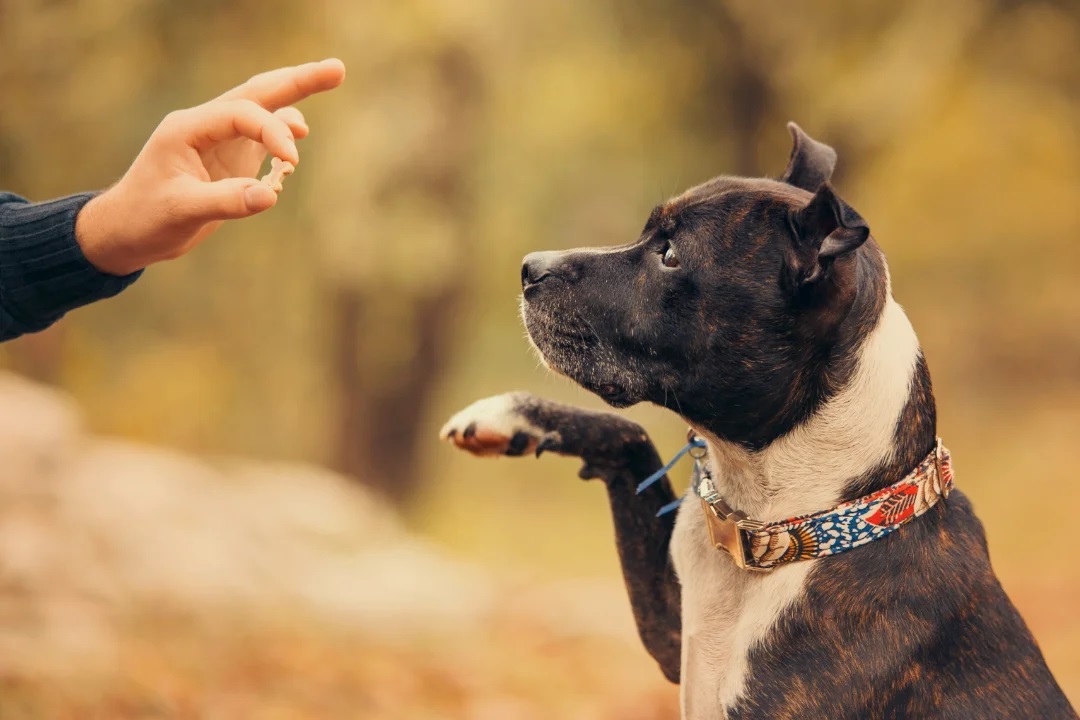
Positive reinforcement training is widely regarded as an effective and compassionate approach to dog training. This method involves rewarding desired behaviors with treats, praise, or play, while ignoring or redirecting unwanted behaviors. By focusing on positive reinforcement, you create a positive learning environment that motivates your dog to learn and cooperate.
On the other hand, aversive training methods, such as shock collars or physical punishment, should be avoided. These techniques can harm your dog both physically and emotionally and have been proven to be less effective in the long run.
3. Essential Dog Training Techniques for Obedience
Mastering Basic Commands: Sit, Stay, and Come
Mastering basic commands is the foundation of any obedience training program. Here are a few techniques to help you teach your dog three essential commands: sit, stay, and come.
- Sit: Hold a treat close to your dog’s nose, then raise your hand above their head. As their nose follows the treat, their bottom will naturally lower into a sitting position. Once they are sitting, praise them and give them the treat.
- Stay: Start by asking your dog to sit. Then, extend your hand, palm out, and say “stay” while gradually stepping back. If your dog remains in the sitting position, reward them and praise them. Repeat this exercise, gradually increasing the distance and duration of the stay.
- Come: To teach your dog to come when called, start in a small, quiet area. Say your dog’s name followed by the command “come” in an enthusiastic tone. As they start to approach you, reward them with treats and praise. Gradually increase the distance between you and your dog to strengthen their recall.
Effective Leash Training Tips to Ensure Walks Are Enjoyable for Both You and Your Dog
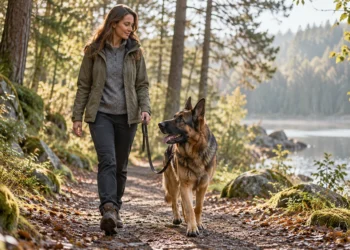
Leash training is an essential skill for both you and your dog. A well-behaved dog on a leash makes walks enjoyable and safe for everyone. Here are a few tips to help you with leash training:
- Start by introducing your dog to a leash gradually. Allow them to sniff and explore the leash before attaching it to their collar.
- When walking your dog on a leash, keep it loose and relaxed. Avoid pulling or jerking on the leash, as this can cause discomfort or anxiety for your dog.
- Use positive reinforcement techniques to reward your dog for walking calmly beside you. Treats, praise, and play can all serve as rewards for good leash manners.
- Consistency is key in leash training. Establish a routine and stick to it. Over time, your dog will learn what is expected of them during walks.
The Importance of Consistency and Positive Reinforcement in Training Your Dog
Consistency and positive reinforcement are crucial elements of successful dog training. Dogs thrive on routine and clear expectations. Here’s why consistency and positive reinforcement are essential:
- Consistency helps your dog understand what behaviors are expected of them. By consistently reinforcing desired behaviors and redirecting or ignoring unwanted behaviors, you create a clear framework for your dog to follow.
- Positive reinforcement, such as treats, praise, and play, motivates your dog to repeat desired behaviors. By rewarding good behavior, you encourage your dog to continue displaying those behaviors in the future.
- Avoid punishment-based training methods, as they can create fear and anxiety in your dog. Positive reinforcement fosters a trusting and cooperative relationship between you and your furry friend.
4. Overcoming Common Challenges in Dog Training
Addressing Separation Anxiety: Tips to Help Your Dog Cope
Separation anxiety is a common issue faced by many dog owners. Dogs with separation anxiety may exhibit destructive behaviors, excessive barking, or house soiling when left alone. Here are a few tips to help your dog cope with separation anxiety:
- Gradually desensitize your dog to being alone by leaving them alone for short periods and gradually increasing the duration.
- Create a safe and comfortable environment for your dog when they are alone. Provide them with access to their favorite toys, a cozy bed, and soothing background noises.
- Consider using calming aids, such as pheromone diffusers or anxiety wraps, to help your dog relax during periods of separation.
- Consult with a professional dog trainer or behaviorist for additional guidance and support in addressing separation anxiety.
Dealing with Leash Reactivity and Aggression Issues
Leash reactivity and aggression can make walks challenging and stressful for both you and your dog. Here are a few strategies to help you manage and overcome these issues:
- Work with a professional dog trainer who specializes in behavior modification to identify the underlying causes of leash reactivity or aggression and develop a customized training plan.
- Avoid confrontational situations that may trigger reactive or aggressive behaviors in your dog. Choose quiet and less crowded areas for walks.
- Teach your dog alternative behaviors, such as “watch me” or “leave it,” and reward them for calm and non-reactive behavior.
- Consider using management tools, such as a front-clip harness or a head halter, to give you more control during walks.
Building Confidence in Your Dog: Overcoming Fear and Shyness
Building confidence in a fearful or shy dog requires patience, understanding, and positive reinforcement. Here are a few tips to help your dog become more confident:
- Expose your dog to new experiences and environments gradually. Start with low-stress situations and gradually increase the level of difficulty.
- Use positive reinforcement techniques to reward your dog for showing bravery and exploring new things. Treats, praise, and play can help build their confidence.
- Avoid forcing your dog into uncomfortable situations. Allow them to set their own pace and provide them with a safe space to retreat to if they feel overwhelmed.
- Consult with a professional dog trainer or behaviorist for additional guidance and support in building your dog’s confidence.
By understanding the importance of dog training, finding the right trainer, mastering essential techniques, and overcoming common challenges, you can truly become a master of obedience and bond deeply with your furry friend in Jacksonville. Remember, training is not just about teaching your dog commands; it is about nurturing a lifelong partnership based on trust, respect, and love.
FAQ
FAQ 1: What is the importance of dog training? – Dog training is crucial for building a happy and harmonious relationship with your canine companion. It establishes clear rules and boundaries, helps dogs feel secure, and reduces behavior problems.
FAQ 2: How does a well-trained dog improve everyday life? – A well-trained dog can make daily life easier and safer. They can be taken out in public with confidence, behave appropriately, and are less likely to engage in dangerous behaviors, ensuring the safety of both the dog and others.
FAQ 3: How does training contribute to the bond between you and your dog? – Training strengthens the bond between you and your dog by demonstrating your commitment to their well-being and happiness. Through training, you learn to communicate effectively, understand their needs, and deepen the connection.
FAQ 4: What should I look for in a professional dog trainer? – When selecting a professional dog trainer, consider their experience, qualifications, training methods, and reviews from other dog owners.
FAQ 5: What are some top-rated dog training schools in Jacksonville? – ABC Dog Training Center, Pawsitive Training Academy, and K-9 Obedience Club of Jacksonville are all reputable dog training schools in Jacksonville.
FAQ 6: What training approach is recommended? – Positive reinforcement training, which involves rewarding desired behaviors and ignoring or redirecting unwanted behaviors, is widely regarded as an effective and compassionate approach.
FAQ 7: What are some essential dog training techniques? – Mastering basic commands such as sit, stay, and come, as well as effective leash training techniques, consistency, and positive reinforcement are essential techniques.
FAQ 8: How can I address separation anxiety and leash reactivity/aggression? – Gradual desensitization, creating a comfortable environment, and seeking guidance from a professional trainer can help address separation anxiety. For leash reactivity and aggression, working with a professional trainer, avoiding triggering situations, and teaching alternative behaviors can be beneficial.