Finding a small, dry stool during a walk is easy to dismiss once. Seeing the same thing for several days usually catches an owner’s attention. Some dogs also spend longer trying to pass stool or return indoors without their normal routine. Changes like these are often the first clues that lead people to learn more about constipation in dogs (狗狗便秘) and the everyday habits that may affect digestive comfort.
Recognizing changes in bowel habits
Healthy bowel movements are usually regular, so changes tend to stand out.A dog may strain without producing much stool. Another may pass hard, dry stools that are smaller than usual. Some dogs ask to go outside several times but produce very little each time.
The change is not always dramatic. A dog that normally finishes a walk quickly may simply take longer before returning home.
Everyday causes owners may overlook
A missed drink on a hot day may leave the body needing more water. Less activity over several days can also slow normal bowel movement in some dogs.
Diet changes sometimes play a part. Feeding unfamiliar foods, giving large amounts of table scraps, or suddenly switching to a different food may affect digestion for a short time.
Dogs occasionally swallow things they should not, including grass, hair, or small objects. These situations deserve closer attention because they may lead to more serious digestive problems.
Hydration and nutrition support
Fresh drinking water should always be available. Water helps keep stool softer and easier to pass. Some dogs naturally drink less than others, especially during cooler weather, so owners often need to pay attention to their normal drinking habits.
A complete and balanced diet supports healthy digestion every day. When discussing constipation in dogs, it helps to remember that sudden changes in food are not always well tolerated, so consistency is often beneficial.
Activity and digestive movement
Many dogs develop a predictable routine around meals, walks, and bowel movements.
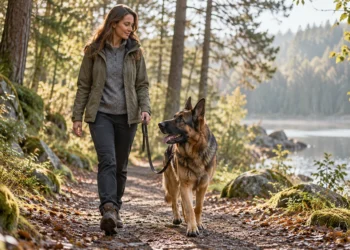
Daily exercise encourages normal movement throughout the digestive system. A gentle walk after eating may become part of a dog’s regular schedule, although every dog has different activity needs depending on age, size, and overall health.
Even short periods of play help many dogs stay active throughout the day.
Situations requiring veterinary assessment
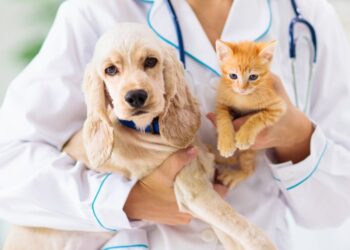
Occasional changes in bowel habits may settle quickly. Persistent constipation should always be assessed by a veterinarian.
Arrange a veterinary examination if you notice:
- Straining for more than a day.
- No bowel movement for an unusual length of time.
- Blood in the stool.
- Vomiting together with constipation.
- Loss of appetite.
- Tiredness or signs of abdominal discomfort.
These signs may have different causes and should not be ignored.
Encouraging healthy digestive routines
Regular feeding times, fresh water, daily exercise, and a balanced diet all support healthy digestion over time. Watching your dog’s normal toilet routine also makes it easier to notice when something changes.
Small observations often matter more than owners realise. A difference in stool size, frequency, or effort may provide an early sign that digestive health deserves closer attention.
FAQ
How often should a dog have a bowel movement?
The frequency varies between dogs, but most develop a consistent routine. A noticeable change from that routine is worth monitoring.
Can dehydration contribute to constipation?
Yes. Not drinking enough water may lead to harder stools that are more difficult to pass.
Does exercise affect digestion?
Regular activity supports normal movement through the digestive system and may help maintain healthy bowel habits.
When should I contact a veterinarian?
Arrange a veterinary examination if constipation continues, your dog appears uncomfortable, or other signs such as vomiting, blood in the stool, or loss of appetite develop.
Daily routines often reveal small changes before they become bigger concerns. If constipation persists or your dog appears unwell, consult a qualified veterinarian for professional advice.