If you happen to have an unspayed female cat, there will come a time when she slides into her heat cycle. This is not always obvious at first, especially for new cat owners. “Estrus” is the part where a cat becomes open to mating. And the symptoms of a cat in heat (อาการแมวติดสัตว์) may seem odd.
If you can recognize cat behavior, it can help you figure out what to do next. Cats can start their first heat cycle as early as four to six months old. That’s why it’s important that you understand what’s going on when this happens.
Persistent Vocalizing Behavior
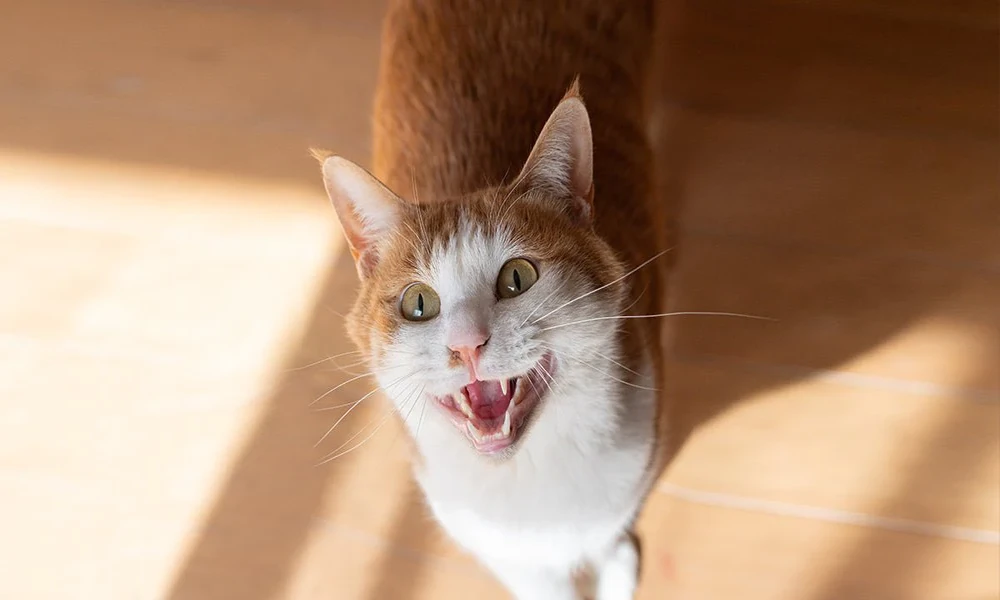
One of the clearest signs that your cat is in heat is excessive vocalizing. She might be meowing more than usual. It can be loud and persistent at times. These calls are basically a way to draw in potential mates. Some cats produce strange little noises all day and night. This can be disruptive for their owners. This behavior tends to calm down once the cycle finishes.
More Affectionate Behavior
Cats in heat often get more affectionate, not just toward their owners but even toward other pets at home. You may notice your cat seeking extra attention at this stage. She could be rubbing herself against your legs or random objects in the house. That extra closeness usually comes from hormonal changes. Additionally, she may seem to like petting even more than before.
Frequent Rolling and Stretching
A female cat in heat may flop around on the floor more often than usual. They may stretch and twist and rub their bodies against walls and rugs. This may look playful and totally random. Cats do this to release stored energy. It’s also their subtle signal that they are ready.
Change in Posture
One more known sign is a posture change. If you pet her along the back or near the base of the tail, she would shift her tail to one side. That stance is also called the “mating posture.” It is an instinctive action that basically means she is ready to mate. Owners often see it more often as the heat cycle progresses.
Increased Restlessness
When a cat is in heat she can look more wound up than usual. She may pace or act like she cannot get comfortable at all. Some cats are even more active at night. This restless behavior is usually caused by hormonal shifts and the drive to find a mate.
Attempts to Escape Outdoors
Most cats in heat will have a strong urge to get outside the house. Even if they are indoor cats, she might linger by doors and windows. Do not be surprised if she tries to slip out as soon as there is a chance. It is very important to keep her safely indoors during this time. Watch closely any access to outdoor areas.
Changes in Appetite
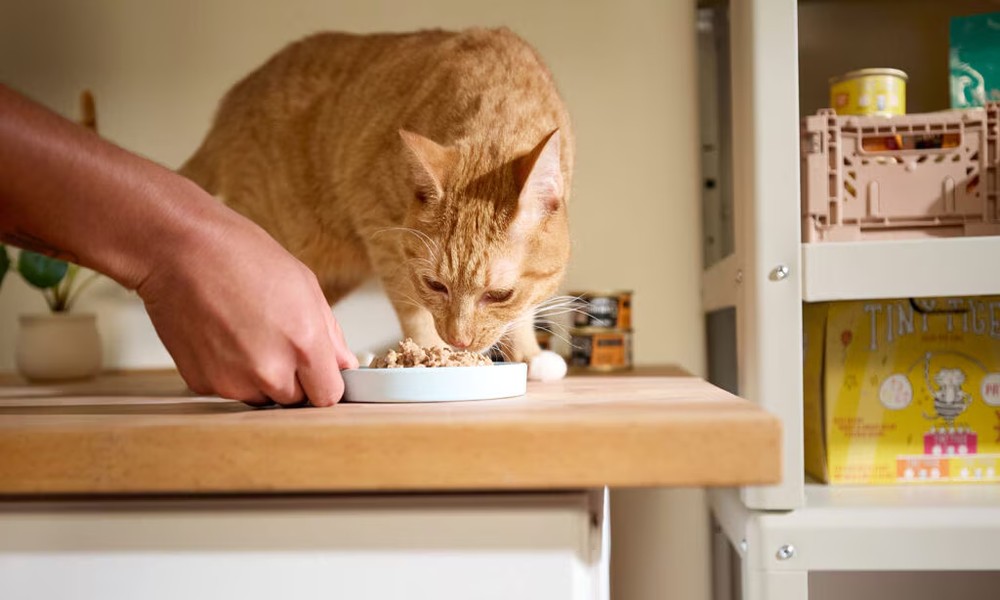
Some cats seem to have changes in appetite when they are in heat. They might eat less than usual. Some cats may be less interested in food. This is often temporary, but owners should still keep an eye on their food intake. Make sure she stays properly hydrated. If appetite loss becomes a problem, it may be smart to ask a veterinarian for advice.
Conclusion
Learning the signs of a cat in heat helps you understand her behavior. This can also ensure that you are there to provide better care. Staying observant and informed means you can help her feel more at ease and safe during her whole heat cycle.