Dogs learn best when positive experiences are connected to their actions. Reward-based training has become one of the most trusted methods for shaping healthy habits and improving communication between pets and owners. Treats are often at the centre of this process because they provide immediate encouragement and help dogs associate good behaviour with something enjoyable.
When a dog receives a reward after following a command or displaying calm behaviour, it begins to understand what is expected. Over time, this consistent reinforcement creates stronger obedience and better emotional responses in different environments. A simple system of rewards can turn training into a positive daily routine rather than a stressful experience.
Building Trust Through Positive Reinforcement
Trust is one of the most important elements in any relationship between a dog and its owner. Dogs respond more confidently when they feel safe, understood, and appreciated. Positive reinforcement encourages cooperation without fear or punishment.
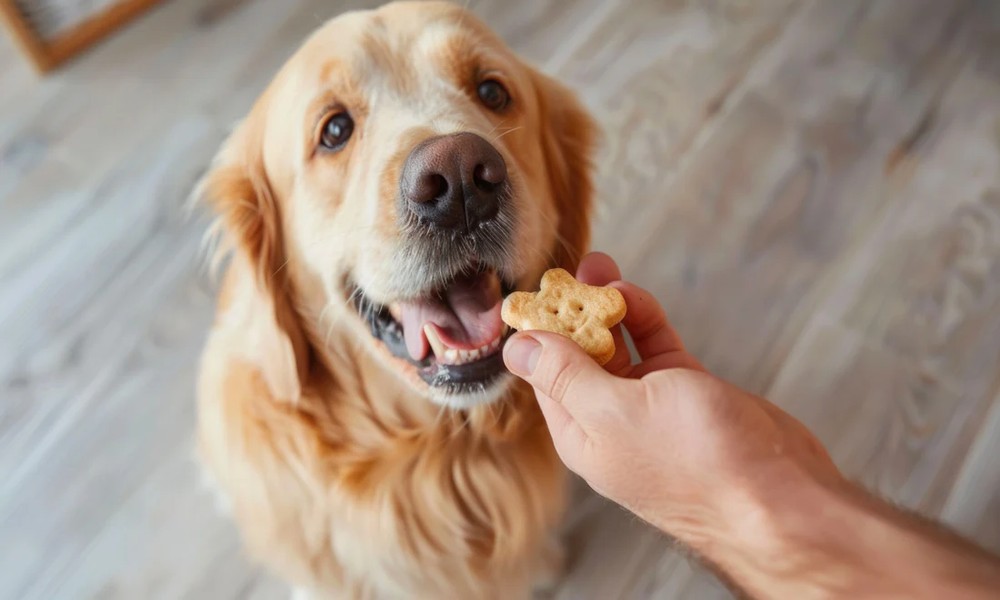
Using treats during training sessions allows dogs to stay engaged and motivated. Commands such as sit, stay, come, and leave it become easier to teach because the dog connects successful actions with rewards. The process also reduces frustration for both the owner and the pet.
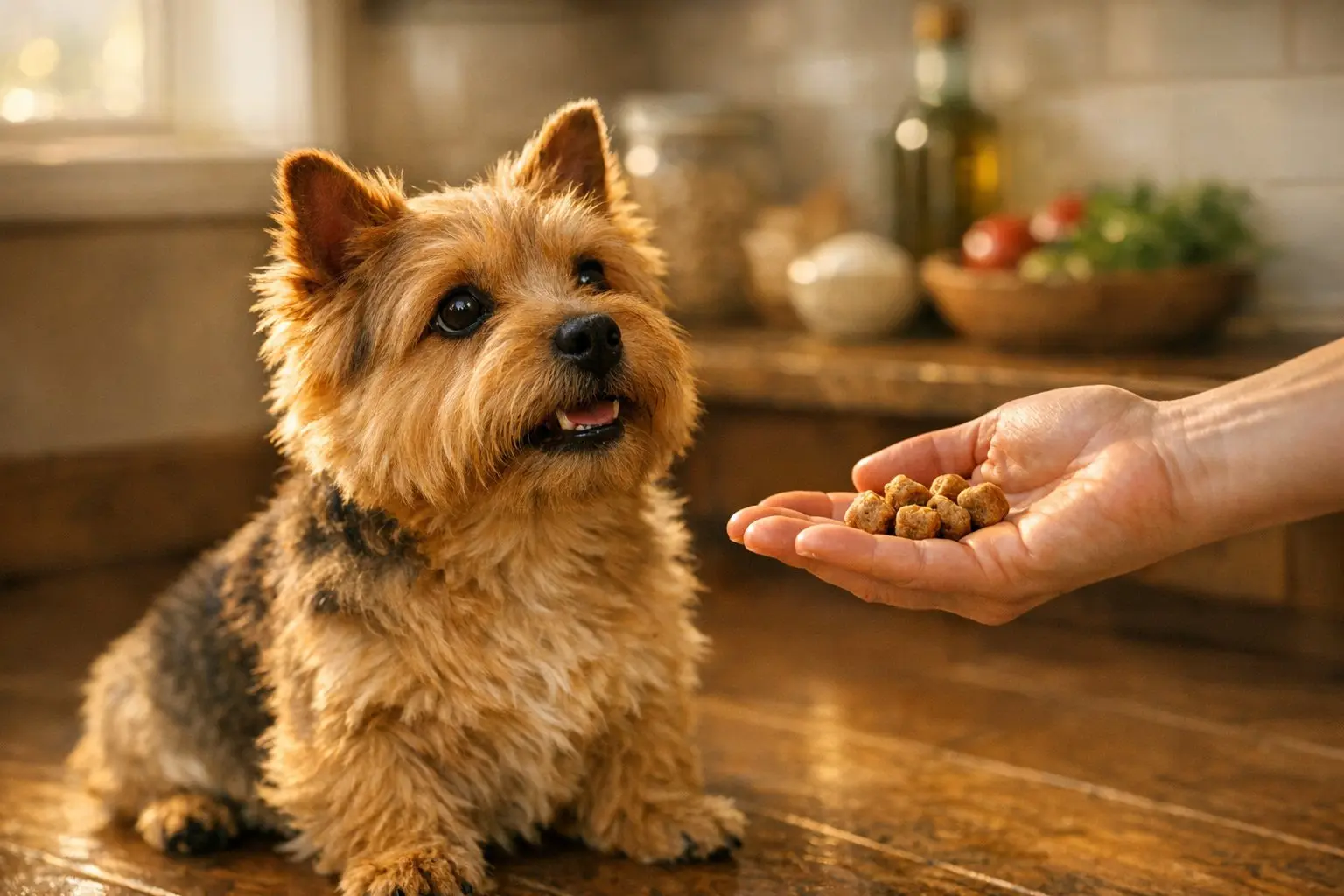
Many owners find that spending time with a Dog with Treats during reward-based activities creates stronger emotional bonding. Dogs naturally become more attentive and eager to interact when they know positive outcomes are involved.
Encouraging Good Habits at Home
Treats are not only useful for formal training sessions. They can also support everyday behaviour inside the home. For example, dogs can be rewarded for remaining calm when guests arrive, resting quietly in their designated space, or avoiding destructive chewing.
Consistency is the key to making rewards effective. When good behaviour is recognised immediately, dogs quickly learn which actions are encouraged. Small rewards given at the right time often create better long-term results than punishment after unwanted behaviour occurs.
This approach is especially useful for puppies that are still learning household rules. Positive experiences help reduce anxiety and confusion while creating a more structured environment.
Improving Social Behaviour
Socialisation is an important part of a dog’s development. Dogs that are comfortable around people, children, and other animals are generally easier to manage in public settings. Treats can help encourage calm and confident interactions during these experiences.
For example, rewarding a dog for remaining relaxed during walks or while meeting new people teaches the animal to stay composed rather than reactive. This type of reinforcement helps reduce excessive barking, jumping, or fearful behaviour.
Owners often use treats during visits to parks, training classes, or pet-friendly spaces to reinforce calm behaviour in distracting environments. Over time, dogs become more adaptable and comfortable in unfamiliar situations.
Supporting Mental Stimulation
Dogs need to think and play just as much as they need to move around. Treat-based games and interactive activities provide stimulation that prevents boredom and destructive habits. Puzzle feeders, training exercises, and scent games all encourage dogs to focus their attention in productive ways.
Mental stimulation is particularly important for energetic breeds that require regular challenges. Without enough engagement, dogs may develop unwanted behaviours such as chewing furniture, digging, or excessive barking.
Reward-centred activities create opportunities for dogs to think, learn, and problem solve while enjoying the process. This combination of learning and reward helps maintain emotional balance and improves overall behaviour.
Choosing Treats Responsibly
While treats are valuable training tools, moderation remains important. Owners should choose high-quality options that match their dog’s size, age, and dietary needs. Smaller treats are often ideal during training because they allow repeated rewards without overfeeding.
Healthy ingredients and natural options are becoming increasingly popular among pet owners who want to balance training with proper nutrition. Treats shouldn’t be used instead of normal meals; they should be added to a healthy diet.
It is also important to vary rewards occasionally. Praise, toys, and affection can work alongside treats to create a balanced training approach that does not rely entirely on food motivation.
Conclusion
Treats play a meaningful role in encouraging better dog behaviour by reinforcing positive actions, strengthening trust, and creating enjoyable learning experiences. Whether used for obedience training, socialisation, or everyday habits, rewards help dogs understand expectations in a clear and supportive way.
A thoughtful reward system encourages confidence, improves communication, and supports a healthier relationship between dogs and their owners. With patience and consistency, treats can become a valuable part of raising a well-behaved and emotionally balanced companion.